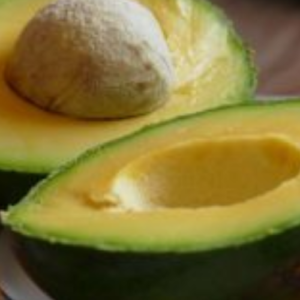
Avocado is a vegetable with high nutritional value, very rich in vitamins and excellent for combating cardiovascular diseases. It belongs to the same family as the laurel (Lauraceae), has an ovoid, almost spherical shape and its dimensions can vary between 5 and 20 centimeters in length.
Contains carbohydrates, proteins, good fats, vitamins A, C, D, B6 and E, minerals, fiber and water. 100 grams of avocado contains about 2 grams of saturated fatty acids, 8.9 grams of monounsaturated fatty acids and 1.7 grams of polyunsaturated fatty acids. It is an excellent source of manganese, a micronutrient essential for proper brain function and carbohydrate metabolism, as well as magnesium, which contributes to the metabolism of lipids, proteins and calcium.
Avocado contains around 11 vitamins and 14 minerals , acids and amino acids, which makes it particularly useful for our health. Contains lutein, which ensures excellent eye protection against cataracts and macular degeneration, the main cause of blindness in old age.
The high vitamin E content makes avocado a great food for the elderly as it can delay the aging process and protect us from heart disease and cancer. In addition, it helps regulate cholesterol levels and protect the arteries.
Avocado contains a large amount of fat, most of which is monounsaturated, making it an excellent means of promoting heart health . Thanks to its high nutritional value and protein richness, avocado can replace meat.
Avocado leaves prepared as an infusion are useful for lowering cholesterol levels and relieving headaches, respiratory problems and menstrual cramps. Avocado is recommended for diabetics because it does not contain flour and is not a significant source of sugar.
Leave a Reply