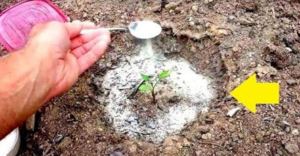
Baking soda (sodium bicarbonate) is more than just a kitchen staple; it is a powerful, non-toxic ally in organic gardening. Its unique chemical properties allow it to act as a natural fungicide, a pH regulator, and a pest repellent—all without leaving harmful residues in your soil or on your vegetables. For many gardeners, a single strategic application at the beginning of the season is enough to set the stage for a healthy, pest-free harvest.
Why Baking Soda is a Garden Treasure
1. The Ultimate Natural Fungicide
Baking soda creates an alkaline environment on the surface of leaves, which is toxic to fungal spores. It is particularly effective against powdery mildew, which often destroys roses, cucumbers, and zucchinis. 🛡️🧪
2. Weed and Pest Control
Sodium bicarbonate can dehydrate soft-bodied pests like slugs and snails. When applied carefully, it can also prevent weeds from sprouting in the cracks of your garden paths, acting as a safe alternative to harsh herbicides. 🐌🚫
3. Enhancing the Taste of Your Harvest
For certain plants, like tomatoes, a light sprinkle of soda on the surrounding soil can lower the acidity. This metabolic shift often results in tomatoes that are noticeably sweeter and more flavorful. 🍅✨
How to Use Baking Soda Correctly in Your Garden
Method 1: The Protective Foliar Spray (Best for Mildew)
- The Mix: Dissolve 1 tablespoon of baking soda and half a teaspoon of liquid soap in 4 liters of water. The soap helps the solution stick to the leaves.
- Application: Spray your plants once every two weeks or after a heavy rain. This creates an invisible shield against rot. 🚿🍃
Method 2: The Cabbage Protector
If your cabbage is being attacked by caterpillars:
- Mix equal parts baking soda and flour.
- Dust the cabbage leaves with this mixture. When the caterpillars eat it, the soda expands in their stomachs, stopping them from destroying your crop.
Method 3: Sweetening Tomatoes
- Lightly sprinkle about one teaspoon of soda around the base of each tomato plant (avoiding direct contact with the stem). This subtle change in soil pH will reward you with an exceptionally sweet harvest. 🏺📈
Crucial Tips for Success
- Test First: Always test your spray on one or two leaves before treating the whole plant, as some delicate species can be sensitive to sodium.
- Don’t Overdo It: Baking soda contains salt. Excessive use over several years can lead to sodium buildup in the soil, so stick to the recommended dosages. 📉🚫
Leave a Reply