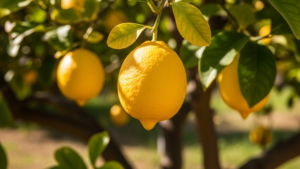
Lemon trees (Citrus limon) are Mediterranean icons that bring a refreshing scent and vibrant color to any space. The biggest challenge for beginners is usually “over-care”—watering too much or moving the tree too often. By understanding that lemon trees prefer stability and “damp but not soggy” soil, you can avoid the common pitfall of leaf drop and encourage the tree to produce its iconic fragrant white blossoms.
The 4 Essentials of Lemon Tree Care
1. The “Sun-Drenched” Requirement
Lemon trees are sun-worshippers. They require at least 6 to 8 hours of direct sunlight every day.
- Indoor Tip: If you are keeping your tree inside, place it by the brightest south-facing window. If leaves start to stretch or turn pale, you may need to supplement with a simple LED grow light. ☀️🏠
2. The Golden Rule of Watering
Most lemon trees die from “wet feet” (root rot).
- The Finger Test: Never water on a schedule. Stick your finger 2–3 cm into the soil; if it feels dry, water it. If it’s still moist, wait.
- Drainage: Ensure your pot has large drainage holes. Citrus roots need oxygen just as much as they need water. 🚿🚫
3. Humidity vs. Dry Air
While the roots hate being soaked, the leaves love humidity. Indoor heating in the winter is very dry, which can cause leaves to curl and fall.
- The Fix: Mist the leaves with water every few days or place the pot on a tray filled with pebbles and water to create a humid microclimate. 🌫️🍃
4. Feeding the “Hungry” Tree
Citrus trees are heavy feeders, especially during the flowering and fruiting seasons.
- Nutrients: Use a specific “Citrus Fertilizer” rich in nitrogen and iron. Feed once a month during spring and summer, and reduce feeding in the winter when the tree’s growth slows down. 🧪🍋
Seasonal Survival: Winter Transition
If you live in a climate with frost, you must bring your tree indoors before the temperature drops below 5°C.
- The Transition: Move the tree gradually. Put it in a shaded spot outside for a few days before bringing it inside to help it adjust to the lower light levels of your home. This prevents the “shock” that leads to sudden leaf loss. ❄️🛡️
A Pro Tip for Fruit
If your tree is indoors, there may be no bees to pollinate the flowers. You can act as the “human bee” by gently rubbing the inside of the flowers with a small paintbrush to move pollen from one bloom to another. This almost guarantees you’ll see tiny green lemons forming soon after! 🖌️🍋
Leave a Reply