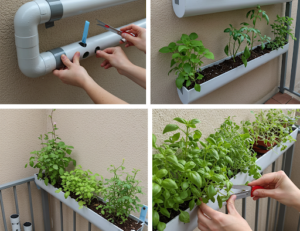
In 2026, urban gardening has reached new heights. 🏗️ For those living in apartments or homes with limited outdoor space, the challenge has always been how to grow a significant amount of food in a small footprint. The answer lies in Vertical PVC Pipe Gardens. By using inexpensive plastic pipes, you can create high-yield “growing towers” that allow you to cultivate dozens of plants in the space of a single flowerpot. This DIY project is durable, efficient, and perfect for everything from strawberries to leafy greens. 🍓🌿✨
Why Vertical PVC Gardening is a Game-Changer 📝
Traditional gardening requires horizontal space and back-breaking weeding. Vertical pipes flip the script:
- Maximize Every Inch: A 2-meter tall pipe can hold up to 20 or 30 plants while only taking up a 15 cm circle of floor space. 📏📈
- Pest Protection: By elevating your plants, you keep them away from ground-dwelling pests like slugs, snails, and rabbits. 🐌🚫
- Ergonomic Harvesting: No more bending over! You can harvest your lettuce, herbs, or berries at eye level. ✂️👁️
- Water Efficiency: In a vertical system, water naturally trickles down from the top to the bottom, ensuring every plant gets a drink without wasting a drop. 💧♻️
Materials You Will Need 🛠️
To build your own vertical garden tower, gather these basic supplies from your local hardware store:
- Main Pipe: A PVC pipe with a diameter of 10 cm to 15 cm. The length depends on your space, but 1.5 to 2 meters is ideal. 🏗️
- Irrigation Pipe: A much thinner pipe (about 1.5 cm diameter) that is slightly longer than your main pipe. 🎋
- Tools: A power drill and a hole saw attachment (5 cm to 7 cm diameter). 🌪️
- End Caps: To seal the bottom of your pipes. 🏺
- Potting Mix: A high-quality, lightweight mix (peat-based is best) to avoid over-compacting. 🧪🌿
Step-by-Step Construction Guide 💡
- Drilling the Planting Holes: Lay the large PVC pipe flat. Use the hole saw to drill holes every 15–20 cm, staggering them on opposite sides so the plants don’t block each other’s light. 🕳️✨
- The Irrigation Core: Take the thin internal pipe and drill tiny holes all along its length. Wrap it in a thin layer of landscaping fabric or burlap to prevent soil from clogging the holes. Place this pipe inside the large one; it will act as a central “sprinkler” for your tower. 🚿🛡️
- Securing the Base: Attach an end cap to the bottom of the large pipe. For stability, you can place the base of the pipe into a large bucket filled with gravel or bolt it directly to a wall or balcony railing. 🏗️⚓
- Filling and Planting: Pour your potting mix into the large pipe, ensuring the irrigation core remains centered. As you fill, tuck your seedlings (strawberries, lettuce, mint, or parsley) into the holes. 🍓🥬
The Best Plants for Vertical Pipes 🌸
Not every plant is suited for a vertical tower. Focus on varieties with shallow root systems:
- Strawberries: The “king” of vertical gardens. They hang beautifully and stay clean and away from the dirt. 🍓✨
- Leafy Greens: Lettuce, spinach, and kale thrive in this setup. 🥬
- Aromatic Herbs: Basil, cilantro, parsley, and chives grow vigorously and are easy to reach for cooking. 🌿🍳
- Small Flowers: Petunias or pansies can be added between vegetables for a stunning aesthetic. 🌺🎨
Maintenance Secrets for Success 🚿
- Watering: Simply pour water (or a liquid nutrient mix) into the top of the thin internal irrigation pipe. This ensures the water reaches the roots at the bottom of the tower just as well as the top. 🏺💧
- Light: If your tower is against a wall, remember to rotate it (if possible) or ensure it faces south to get maximum sunlight for all plants. ☀️🛡️
- Fertilizing: Because the soil volume is limited, use a liquid organic fertilizer once every two weeks to keep the plants productive throughout the season. 🧪📈
Leave a Reply