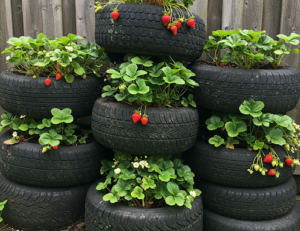
There is no comparison between a store-bought strawberry and one picked fresh from your own garden. Commercial berries are often bred for transportability and shelf-life, which means they lose the intense sweetness and aroma we crave. 🍓 In 2026, more people are turning to home cultivation to avoid pesticides and enjoy the true flavor of “sun-ripened” fruit. Whether you have a vast backyard or a small apartment balcony, these three proven tips will ensure your strawberry plants produce an abundant harvest of juicy, red gems all season long. 🍯✨🌱
1. Master the Selection: Everbearing vs. June-Bearing 📝
Success begins with choosing the right variety for your lifestyle and space. Most beginners don’t realize there are two distinct types of strawberry plants:
- June-Bearing Varieties: These produce one massive crop of large berries over a 2–3 week period, usually in early summer. This is perfect if you want to make a lot of jam or freeze berries all at once. 🥧🍓
- Everbearing (Day-Neutral) Varieties: These are the “marathon runners” of the garden. They produce smaller but consistent harvests from late spring until the first frost of autumn. For home snacking and continuous supply, these are the gold standard. 📈🍂
- The “Starting Material” Secret: Always look for “certified virus-free” runners. While it’s tempting to take a free cutting from a neighbor, strawberries are prone to viruses that can stunt fruit production for years. Starting with clean, healthy plants is the best investment you can make. 🛡️🌿
2. The Nutritional Blueprint: Feeding for Fruit 🛠️
Strawberries are high-energy plants. To produce sugar-filled fruit, they need specific minerals that standard soil often lacks.
- The Acidity Factor: Strawberries thrive in slightly acidic soil (pH 5.5 to 6.2). If your soil is too alkaline, the plant will grow leaves but no fruit. Adding pine needles or used coffee grounds to your mulch is a natural way to maintain this acidity. ☕🌲
- Organic Potassium Boost: Potassium is the fuel for fruit size and sweetness. Instead of chemical pellets, use “Banana Peel Tea.” Soak dried banana peels in water for 48 hours and use this to water your plants once the first white flowers appear. This tells the plant to stop growing leaves and start growing berries. 🍌💧
- The Phosphorus Shield: Crushed eggshells provide the calcium and phosphorus needed to prevent the fruit from rotting on the vine and to strengthen the root system against soil pests. 🥚🛡️
3. Smart Maintenance: Mulching and Runner Control 💡
How you manage the plant’s environment determines the size of your final harvest.
- The “Straw” in Strawberry: There is a reason for the name! Using a layer of clean straw (or wood chips) around the base of the plants is essential. It keeps the fruit off the damp soil (preventing mold), suppresses weeds, and keeps the roots cool during the summer heat. 🌾🛡️
- The “Runner” Sacrifice: During the first year, your plant will send out long, leafless stems called “runners.” While these can grow into new plants, they drain all the energy away from the mother plant’s fruit production. Cut them off! By sacrificing the runners, you force the plant to put 100% of its energy into making larger, sweeter strawberries. ✂️🔋
- Watering Discipline: Never water strawberries from above. Getting the leaves and fruit wet leads to grey mold (Botrytis). Always water at the base of the plant in the early morning so the soil can stay moist without the foliage becoming a breeding ground for fungi. 🚿🚫🦠
Why Home Growing Wins in 2026 🌸
Beyond the superior taste, growing your own strawberries allows you to experiment with “gourmet” varieties like the Pineberry (which tastes like pineapple) or the Mara des Bois (which has the aroma of wild woodland strawberries). 🍍🍓 By following these tips, you transform a simple hobby into a sustainable source of the healthiest, most delicious snacks nature has to offer. 🏡✨
Leave a Reply