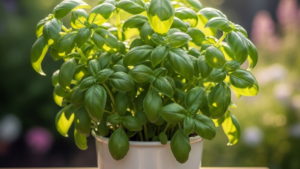
Don’t throw away those basil stems from the supermarket or your kitchen! With this simple and effective method, you can turn them into beautiful, fragrant basil plants that will give you fresh leaves all year round. It’s economical, ecological, and incredibly easy — even for beginners! 🌿🍃
Step-by-Step Guide to Grow Basil from Cuttings
1. Choose the Right Stems
- Take fresh, healthy basil stems with several leaves (preferably from the supermarket bunch).
- Avoid stems that are wilted, yellow, or have flowers.
2. Root the Cuttings in Water
- Cut the stems just below a node (where leaves grow) — about 10–12 cm long.
- Remove the lower leaves, leaving only the top 3–4 leaves.
- Place the stems in a glass or jar with clean room-temperature water.
- Change the water every 2 days to prevent rot.
- Put the jar in a bright spot with indirect light.
3. Wait for Roots
- In 7–14 days, you will see white roots appearing.
- Once the roots are 3–5 cm long, the cuttings are ready to plant.
4. Transplant into Soil
- Prepare pots with good drainage and light, fertile soil (mix regular soil with perlite or compost).
- Plant the rooted cuttings gently.
- Water lightly and place in a sunny spot (at least 6 hours of sunlight per day).
Care Tips for Abundant Basil ✨
- Water regularly but don’t let the soil become soggy.
- Pinch the top regularly to encourage bushy growth and more leaves.
- Fertilize every 3–4 weeks with a balanced liquid fertilizer.
- Protect from cold drafts and temperatures below 15°C.
- Harvest leaves regularly — the more you cut, the more it grows!
Conclusion 🌈
This method is one of the easiest and most rewarding ways to grow basil at home. In just a few weeks, you’ll have fresh, aromatic basil for your salads, pesto, pasta, and more — all from kitchen scraps you would normally throw away!
Pro Tip: You can repeat this process all year round for a continuous supply of fresh basil.
Disclaimer: Results may vary depending on the quality of the stems and growing conditions. Use clean tools and water. ⚕️
Leave a Reply