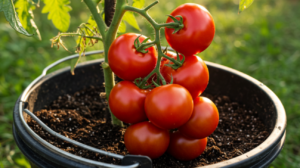
How to grow tomatoes in buckets without any soil. 🌱
Tomatoes are very popular among amateur gardeners, not only for their intense flavor but also for their versatility in cooking. If you have always dreamed of growing tomatoes but lack space in your garden or are looking for a cleaner and more controlled growing method, cultivating them in pots without soil — using hydroponics or a soilless substrate — is an ideal solution.
This method is perfect for small spaces like balconies, terraces, or even sunny indoor spots. It may seem complicated, but with a bit of organization and the right tools, anyone can enjoy fresh and juicy tomatoes grown directly in buckets, without getting their hands dirty. 🍅
Why Grow Tomatoes Without Soil?
Soilless tomato cultivation offers many advantages:
- Cleaner and easier: No weeding, no digging, no mud to clean up.
- Better pest and disease control: Fewer soil-borne pathogens and pests.
- Space-saving: Ideal for balconies, small terraces, or indoors.
- Faster growth: Plants absorb nutrients more efficiently in a controlled soilless system.
- Sustainable: Uses significantly less water than traditional gardening. 💧
Choosing the Right Tomato Varieties
Not all tomato varieties perform equally well in pots or hydroponics. Prefer compact, high-yielding varieties.
- Cherry or grape tomatoes: Varieties like “Tiny Tim”, “Balcony Red”, or “Sweet Million” are excellent for small spaces.
- Determinate or bush varieties: These stay compact and require less support.
- Dwarf or patio varieties: Specifically bred for container and soilless growing.
Avoid large indeterminate varieties unless you have enough vertical space and strong support systems. 🌿
Materials Needed
To grow tomatoes in buckets without soil, you will need:
- 5-gallon plastic buckets: Make sure they are clean and food-safe.
- Soilless growing substrate: Options include coconut coir, perlite, vermiculite, or a mix of these.
- Net pots or grow bags (if using a deep water culture system).
- Hydroponic nutrients: A complete nutrient solution designed for fruiting vegetables.
- Water reservoir (for hydroponic setups).
- Air pump and air stones (for deep water culture systems to oxygenate the roots).
- pH meter and nutrient tester: Optional but useful for monitoring plant health.
- Stakes or trellis: Tomato plants need support to grow and bear fruit. 🪴
Step-by-Step Guide to Growing Tomatoes Without Soil
1. Prepare Your Bucket System
If using a passive hydroponic or deep water culture system:
- Drill a hole in the bucket lid to insert a net pot.
- Fill the net pot with your chosen soilless substrate (coconut coir or perlite).
- Add an air stone in the bucket connected to an air pump.
Fill the bucket with water and mix in hydroponic nutrients according to the instructions on the label.
For a more traditional container method:
- Fill the bucket with a soilless mix of coconut coir, perlite, and vermiculite.
- Make sure there are drainage holes at the bottom of the bucket to prevent waterlogging.
2. Plant the Seedling
Start with a healthy young tomato plant or germinate seeds indoors.
- Place the young plant in the net pot or directly into the soilless substrate.
- Gently firm the growing medium around the base to support the plant.
- Keep the root system moist and in contact with the nutrient solution or damp substrate.
3. Provide Light and Heat
Tomatoes require:
- 6 to 8 hours of sunlight per day, or
- Grow lights for indoor setups (LED lights work well).
- Ideal temperature: 21–27°C during the day and no lower than 15°C at night. ☀️
4. Watering and Nutrient Management
- In hydroponic systems, regularly refill the water reservoir and maintain nutrient levels.
- Monitor the pH of the water — ideally between 5.8 and 6.5 for optimal nutrient absorption.
- For passive systems, water as needed to keep the substrate moist but not soggy.
5. Support and Pruning
- Stake or trellis the plant once it starts growing.
- Remove excess leaves and suckers (small shoots between the main stem and branches) to improve air circulation and direct energy toward fruit production.
- Remove yellowed or damaged leaves. ✂️
Pollination Tips
Since you are likely growing in a limited space, natural pollinators may be absent. You can hand-pollinate:
- Gently shake the plant or tap the flowers daily.
- Use a soft brush or cotton swab to transfer pollen from one flower to another. 🐝
Harvesting Tomatoes
Tomatoes are ready to harvest when:
- They are fully colored (red, yellow, orange, or purple depending on the variety).
- Slightly soft to the touch.
- Twist or cut the stem gently to remove the fruit.
Enjoy them fresh in salads, sauces, or straight from the bucket! 🍅
Final Thoughts
Growing tomatoes in buckets without soil is a rewarding and accessible activity for everyone, even with limited space. Whether you live in an apartment or simply want a cleaner way to garden, this method allows you to harvest healthy, home-grown vegetables without mess or heavy effort.
With proper lighting, suitable nutrients, and attentive care, your tomato plants will thrive and produce fruits with an incomparable taste. Plus, the sight of flourishing tomato plants on your balcony or in your kitchen will surely impress everyone who sees them.
Why wait? Start your soilless tomato garden today and enjoy the satisfaction of harvesting fresh tomatoes at home! ✨
Leave a Reply