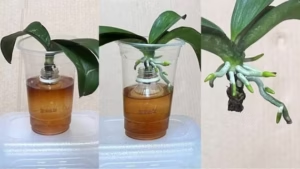
Hydrogen peroxide is a natural and inexpensive remedy to protect plants from insects, fungi, and diseases. Thanks to its oxidizing properties, it helps eliminate parasites and bacteria, improving plant health in a safe and eco-friendly way. Discover how to use it correctly!
Why Hydrogen Peroxide Is Good for Plants
Hydrogen peroxide (H₂O₂) contains extra oxygen, which promotes plant growth and has a disinfectant effect against insects and fungi. Here are its main benefits:
- ✅ Eliminates aphids, scale insects, and mites
- ✅ Prevents mold and root rot
- ✅ Oxygenates the soil, improving nutrient absorption
- ✅ Disinfects seeds and roots before sowing
How to Use Hydrogen Peroxide to Protect Plants
1. Anti-Insect and Anti-Fungus Spray 🐞🍃
Ingredients:
- 1 liter of water
- 2 tablespoons of 3% hydrogen peroxide
Method: Mix the ingredients in a spray bottle. Spray on the leaves, especially on the underside where insects hide. Repeat every 7-10 days to prevent infestations.
2. Soil Treatment Against Root Rot 🌱
Method: Add half a glass of 3% hydrogen peroxide to 1 liter of water. Use the solution to water the soil, avoiding waterlogging. Repeat every 15 days to keep the roots healthy.
3. Disinfect Seeds Before Sowing 🌾
Method: Soak the seeds in a solution of hydrogen peroxide and water (1:3) for 30 minutes. Rinse them and proceed with sowing. This helps prevent mold and diseases.
Hydrogen peroxide is a natural and effective remedy to protect plants from insects, mold, and diseases. When used correctly, it strengthens the soil, oxygenates the roots, and prevents infestations. Try it on your plants and discover its incredible benefits!
Leave a Reply