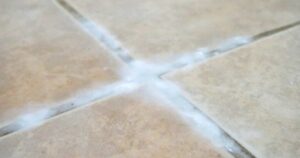
Dirty, stained, or moldy grout can make even the most beautiful bathroom or kitchen look neglected. Before you consider a costly renovation or reach for harsh chemical cleaners, there is a simple, eco-friendly miracle worker in your pantry: Baking Soda. 🏠🧼
🧤 Why Baking Soda is a Grout Game-Changer
Baking soda (sodium bicarbonate) is a mild abrasive and a natural whitener. Unlike bleach, it doesn’t release toxic fumes and won’t damage the surface of your tiles. It’s highly effective at:
- Breaking down grease and grime in kitchens. 🍳
- Eliminating mold and mildew in bathrooms. 🚿
- Deodorizing damp areas. 🌬️
🧪 The Ultimate Grout-Cleaning Paste
To get professional results, you’ll need to create a simple “active” paste:
- The Mix: Combine 2 parts baking soda with 1 part water. For extra cleaning power on stubborn stains, replace water with hydrogen peroxide. 🧴
- Optional Boost: Add a few drops of lemon juice or white vinegar for a bubbling action that lifts deep-seated dirt. 🍋🫧
📝 Step-by-Step Cleaning Guide
- Apply: Spread the paste generously along the grout lines between your tiles. 🧪
- Wait: Let it sit for at least 15–20 minutes. This gives the baking soda time to penetrate the porous grout. ⏳
- Scrub: Use an old toothbrush or a stiff grout brush to scrub the lines. You’ll see the dirt lifting away instantly! 🪥
- Rinse: Wipe away the residue with a damp sponge and warm water. 🧽🌊
🛡️ How to Keep Grout Clean Longer
Once your tiles are sparkling, you can prevent future buildup:
- The Candle Trick: Rub a white wax candle over the dry grout lines. The wax creates a waterproof barrier that prevents moisture and dirt from soaking in. 🕯️✨
- Weekly Spritz: Spray a mixture of water and white vinegar on the tiles after showering to inhibit mold growth. 🚿
🌿 Why Go Natural?
Using baking soda is not only cheaper than store-bought cleaners, but it’s also safer for households with pets and children. It’s a sustainable way to keep your home healthy and brilliant! 🌎💖
Leave a Reply