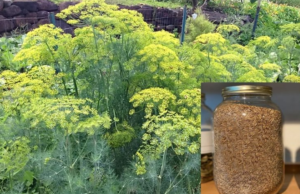
While we often use fresh dill leaves to flavor our favorite dishes, the seeds are a concentrated powerhouse of health benefits that have been used in traditional medicine for centuries. From soothing digestion to improving sleep, dill seeds (Anethum graveolens) are a small but mighty addition to your natural pharmacy. 🧪✨
🍃 Why Dill Seeds are a Health Treasure
1. 🧪 Master of Digestion
Dill seeds are famous for their “carminative” properties, meaning they help prevent gas and bloating. They are the primary ingredient in traditional “gripe water” used for centuries to calm upset stomachs and colic. 🛡️
2. 😴 Natural Sleep Aid
Dill seeds contain essential oils that have a gentle sedative effect. Drinking dill seed tea before bed can help calm the nervous system, reduce anxiety, and promote a deeper, more restful sleep. 🌙💤
3. 🦴 Bone Health Support
Surprisingly, dill seeds are an excellent source of calcium. Regular consumption can help maintain bone density and protect against bone loss, making them a great supplement for overall skeletal strength. 🏗️
4. 📉 Blood Sugar and Cholesterol
Modern research suggests that dill seed extracts can help stabilize blood glucose levels and improve the lipid profile by reducing “bad” cholesterol (LDL), supporting heart health. ❤️
5. 🌬️ Fresh Breath and Oral Health
Chewing on a few dill seeds after a meal not only helps digestion but also kills oral bacteria and freshens your breath naturally! 🦷✨
🥣 How to Use Dill Seeds
☕ The Healing Tea
- Preparation: Add 1 teaspoon of slightly crushed dill seeds to a cup of boiling water.
- Steep: Cover and let it sit for 10 minutes.
- Use: Drink after a heavy meal for digestion or 30 minutes before bed for sleep.
🥗 Culinary Uses
- Spices: Grind the seeds and add them to soups, stews, or homemade bread for a unique, earthy flavor.
- Pickling: Use whole seeds in your vegetable preserves to act as a natural preservative and flavor enhancer. 🥒
⚠️ Important Precautions
- Pregnancy: While culinary amounts are safe, medicinal doses should be avoided during pregnancy as they can stimulate menstruation.
- Allergies: People allergic to carrots, celery, or fennel may also be sensitive to dill.
Leave a Reply