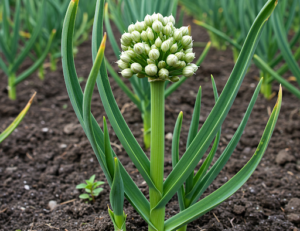
Garlic (Allium sativum) is a staple in every kitchen, but there is a massive difference between the small, shriveled cloves found in supermarkets and the giant, juicy bulbs grown by professional gardeners. 🧄 In 2026, the trend of self-sufficiency has made garlic one of the most popular crops to grow at home. To achieve bulbs that are truly “apple-sized,” you must understand the biological needs of this plant. This guide reveals 6 proven secrets to maximizing the weight and health of your garlic harvest. 📈✨🌱
1. Start with the Right Genetics 📝
You cannot grow giant garlic from standard grocery store cloves. Most store-bought garlic is treated with growth inhibitors to prevent sprouting and is often a variety suited for warmer climates. 🚫 For massive results, you must purchase Certified Seed Garlic from a reputable nursery.
- Hardneck Varieties: These are generally larger and have a more complex flavor.
- Elephant Garlic: If you want truly giant bulbs, this variety (technically a relative of the leek) produces massive cloves that are milder in taste but impressive in size. 🐘🧄
- Select the Best: Within your seed garlic, only plant the largest, healthiest-looking cloves. The size of the clove you plant directly correlates to the size of the bulb you will harvest. 🔍🌿
2. The Power of Autumn Planting 🛠️
Garlic requires a process called vernalization—a period of cold exposure—to trigger the cloves to split and form a bulb. ❄️
- The Timing: In most regions, the best time to plant is in the autumn (late October to early November). This allows the cloves to develop a strong root system before the ground freezes, giving them a massive head start the following spring. 📉🍂
- The Depth: Plant cloves about 5–8 cm deep with the pointed end facing up. Planting too shallow makes them vulnerable to frost, while planting too deep makes it harder for the bulb to expand. 📏🌱
3. Soil Preparation and Space 🏺
Garlic is a “heavy feeder” that requires a specific soil texture to grow large without becoming misshapen. 🧪
- Loose Soil: Ensure your soil is loose and well-draining. If the soil is hard or compacted, the bulb will struggle to push against it and remain small. 🏺✨
- Organic Matter: Mix in a generous amount of well-rotted compost or aged manure before planting. Garlic loves nitrogen early in its growth but needs phosphorus and potassium for the actual bulbing phase. 🧪🌿
- Proper Spacing: This is the most common mistake. To grow large bulbs, space your cloves at least 15 cm apart. Crowded garlic competes for nutrients and water, resulting in smaller harvests. 📏🚫
4. The “Scape” Secret ✂️
If you are growing Hardneck garlic, the plant will produce a curly, flowering stalk in early summer known as a “scape.” 🌀
- Redirecting Energy: If left alone, the plant will pour its energy into creating seeds at the top of the scape.
- The Gesture: Snap or cut off the scapes as soon as they start to curl. By removing the “flower,” you force the plant to redirect 100% of its biological energy downward into the bulb. ✂️🔋 (Bonus: Garlic scapes are delicious and can be used in stir-fries or pesto!) 🍳
5. Consistent Hydration and Mulching 🚿
Garlic has shallow roots and is very sensitive to “thirst stress,” especially during the critical bulbing months of May and June. 🌡️
- Mulching: Apply a 5–10 cm layer of straw or dried leaves over your garlic bed. This suppresses weeds (which steal nutrients), keeps the soil cool, and maintains consistent moisture levels. 🌾🛡️
- Watering: Ensure the plants receive at least 2.5 cm of water per week. However, stop watering completely about two weeks before you plan to harvest. This allows the outer skins to dry and “cure,” which is essential for storage. 🚿🚫
6. Knowing Exactly When to Harvest ✂️🏺
Harvesting too early results in small bulbs, while harvesting too late causes the cloves to separate and the skins to rot. 🔍
- The Visual Cue: Watch the lower leaves. When the bottom 2 or 3 leaves turn brown and withered, but the top leaves are still green, your garlic is ready. 🍂🌿
- The Lifting Technique: Never pull garlic by the stem! Use a garden fork to gently lift the soil from underneath.
- Curing: Once harvested, hang the garlic in a dry, shaded, and well-ventilated area for 3 to 4 weeks. This “cures” the bulb, concentrating the flavor and toughening the skin for long-term storage. 🏺🌬️
Leave a Reply