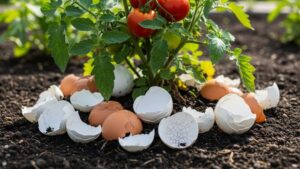
Do not throw away your eggshells anymore: the natural secret for a more fertile garden and healthy plants. 🌱
Eggshells, often thrown away without a second thought, are actually a precious natural resource. Considered simple kitchen waste, they are nevertheless one of the best natural fertilizers available. Rich in calcium and completely biodegradable, they can transform soil quality and strengthen the health of your plants. In a time when fertilizer prices keep rising, it would be a shame not to use this free, ecological treasure that is always available in our homes. 🍳
Why Eggshells Are So Valuable for the Garden
An eggshell is composed of more than 90% calcium carbonate, a mineral essential for plant growth. Calcium plays a key role in the formation of cell walls, promoting strong stems, healthy leaves, and resistant fruits. Without sufficient supply, plants can develop disorders such as blossom end rot (black spots on the ends of tomatoes or peppers). 🛡️
In addition, calcium helps regulate soil pH. In overly acidic soil, many plants struggle to absorb other nutrients like nitrogen, phosphorus, or potassium. By adding crushed eggshells, you naturally neutralize soil acidity, which improves the availability of essential minerals.
However, not all plants benefit equally. Acid-loving plants such as blueberries, azaleas, or blue hydrangeas prefer acidic soil and may suffer from excess calcium. For all other plants, however, adding eggshells is a real advantage. 🌿
How to Prepare and Use Eggshells in the Garden
Before using the shells, it is important to clean them thoroughly. Egg residues inside can attract insects or promote bacterial growth. Simply rinse them with clean water, then let them dry completely in the open air or in the sun.
Once dry, several methods are available depending on your needs:
1. Coarsely Crushed
Break the shells into small pieces and spread them directly on the soil around the plants. They will decompose slowly, releasing calcium and other minerals. This simple and quick method is perfect for vegetable gardens, flower beds, and hedges.
2. Reduced to Powder
For faster absorption, grind the shells into a fine powder using a mortar or coffee grinder. Sprinkle it at the base of the plants or mix it into the soil of your pots. In this form, the shells break down faster and nourish the roots more effectively. 🌾
3. Incorporated into Compost
Eggshells are an excellent addition to compost. They balance the pH and provide calcium, an element often missing from plant waste. Crush them slightly before adding them so they decompose more easily.
4. In Liquid Form (Eggshell Water)
You can also make a homemade liquid fertilizer:
- Crush several shells and place them in a jar of water.
- Let them steep for 3 to 5 days at room temperature.
- Filter the liquid and use it to water your plants. 💧
This mixture slowly releases minerals and acts as a gentle fertilizer. Many gardeners also save the water from boiling eggs, which is rich in calcium, and use it once cooled.
Eggshells for Growing Seedlings
Another ingenious use is to transform eggshells into biodegradable mini-pots for seedlings. Their natural shape and composition make them a perfect container for young shoots.
Here’s how to do it:
- Sterilize the shells by placing them in the oven for a few minutes (100°C).
- Pierce a small drainage hole at the bottom with a needle or pin.
- Fill them with light potting soil.
- Plant your seeds (tomatoes, lettuce, aromatic herbs, etc.).
When the young plants are ready to be transplanted, simply plant the entire shell directly in the soil. It will decompose naturally, enriching the earth and nourishing the plant. This is a simple, zero-waste solution particularly appreciated by eco-friendly gardeners. 🪴
Eggshells: A Natural Shield Against Pests
Eggshells are not only used to nourish the soil — they also protect plants. The sharp-edged pieces form a deterrent barrier against soft-bodied pests like slugs and snails. These creatures, sensitive to cutting surfaces, avoid crossing this area, effectively protecting your leafy vegetables, lettuces, and cabbages. 🐌
Moreover, by reducing soil acidity, eggshells limit the proliferation of certain fungal diseases. Tomatoes, peppers, and eggplants, often subject to calcium deficiencies, particularly benefit from this supply. The result: firmer fruits without spots or rot.
A Simple Gesture for a Sustainable Garden
Using eggshells means reducing waste while nourishing the soil. This ecological gesture requires no investment and advantageously replaces some expensive chemical fertilizers. Whether to correct soil pH, strengthen roots, nourish seedlings, or repel pests, eggshells are a multifunctional ally for the gardener. ♻️
Start saving them today in a jar or paper bag. In just a few weeks, you will have a free natural fertilizer always within reach.
Conclusion
Eggshells, often ignored, deserve a special place in the garden. Easy to use, they enrich the soil with calcium, strengthen plants, regulate pH, and protect against parasites. Their slow decomposition guarantees progressive and sustainable fertilization, ideal for organic vegetable gardens and lovers of natural cultivation.
The next time you prepare a meal, do not throw away your eggshells: transform them into an ecological and free fertilizer. With a little regularity, you will see your plants become stronger, greener, and more productive — proof that a small gesture can make a big difference for your garden. ✨
Leave a Reply