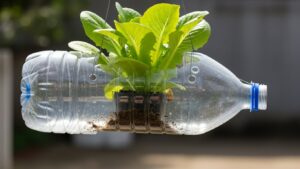
In 2026, the dream of having a garden is no longer limited to those with large backyards. Urban gardening has evolved into a creative and sustainable way to produce fresh, organic food even in the smallest apartments. 🏗️ One of the most effective and popular methods for beginners is vertical gardening using hanging plastic bottles. This system allows you to recycle waste into a high-yield agricultural setup that utilizes vertical space, keeps plants away from pests, and minimizes the physical strain of traditional gardening. 🥗✨🌱
Why Choose Vertical Bottle Gardening? 📝
The benefits of this method extend far beyond just saving space:
- Zero Cost Infrastructure: Instead of buying expensive planters, you are using 1.5L or 2L soda and water bottles that would otherwise end up in a landfill. ♻️💰
- Pest and Disease Control: By suspending your vegetables in the air, you virtually eliminate attacks from slugs, snails, and soil-borne fungi. This reduces the need for any chemical pesticides. 🐌🚫
- Optimized Light Exposure: Hanging systems can be moved easily to follow the sun or placed in windowsills where light is most abundant. ☀️📊
- Water Efficiency: You can design a “drip system” where water from the top bottle trickles down to hydrate the plants below, significantly reducing water waste. 💧🌀
Selecting the Best Vegetables for Your Tower 🛠️
Not every vegetable is suited for a bottle, so it is important to choose plants with shallow root systems and compact growth habits:
- Leafy Greens: Lettuce, spinach, arugula, and kale are perfect because they don’t require deep soil to thrive. 🥬
- Aromatic Herbs: Basil, parsley, cilantro, mint, and chives grow exceptionally well in 1.5L bottles and provide fresh ingredients for your kitchen daily. 🌿🍳
- Small Fruits: Strawberries are the stars of vertical gardens; they hang beautifully and stay clean away from the dirt. 🍓✨
- Micro-Veggies: Radishes and spring onions can also be cultivated successfully in this setup. 🧅🥢
Step-by-Step DIY Construction 💡
Follow these simple steps to build your first hanging vegetable garden:
- Bottle Preparation: Take a clean 2L bottle and cut a large rectangular “window” on one side. This is where your plant will grow out. Keep the cap on the bottle. ✂️🏺
- Drainage and Ventilation: Using a heated nail or a drill, poke 5–10 small holes in the bottom (or the cap, if the bottle is inverted) for drainage. Add several small holes on the sides for root aeration. 🌬️💧
- The Hanging Mechanism: Poke two holes near the top of the bottle (on opposite sides) and thread a strong nylon rope or wire through them. You can chain several bottles together vertically to create a “tower.” 🏗️⚓
- The Substrate: Do not use heavy garden soil. Instead, use a lightweight potting mix consisting of peat moss, perlite, and organic compost. This ensures the bottle doesn’t become too heavy and the roots stay oxygenated. 🏺🧪
- Planting: Place your seedling in the center of the window and gently pack the substrate around it. 🌿🌱
Maintenance Tips for a Continuous Harvest 🚿
- Watering Strategy: Because plastic bottles have a small soil volume, they can dry out quickly. Water your vertical garden in small amounts every morning. If you have a vertical chain, only water the top bottle, and gravity will do the rest. 🚿🛡️
- Nutrient Management: Since the plants have limited access to soil minerals, feed them with a diluted liquid organic fertilizer once every two weeks during the growing season. 🧪📈
- Rotation: Every few days, rotate the bottles so that all sides of the plant receive equal sunlight, preventing them from leaning too far in one direction. ☀️🔄
Ecological Impact and Health 🌸
By adopting this method, you are not just growing food; you are participating in a global movement to reduce plastic waste and carbon footprints. 🌍 Homemade vegetables are richer in vitamins because they are consumed immediately after harvest, without the need for long-distance transport. 🚛🚫 This beginner-friendly guide proves that anyone, anywhere, can be a successful gardener in 2026. 🏡✨
Leave a Reply