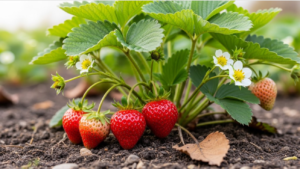
In 2026, you don’t need a massive field to enjoy sweet, sun-ripened berries. 🍓 Whether you have a tiny balcony, a sunny windowsill, or a vertical wall, strawberries (Fragaria × ananassa) are the ultimate “adaptable” crop. By utilizing vertical towers, hanging baskets, and specific planting secrets, you can harvest fresh fruit for $0 in grocery store costs. This guide breaks down the biological requirements to make your strawberry garden flourish in limited spaces. 📈✨🌿
1. Choosing the Right Variety for Your Space 📝
Not all strawberries grow the same way. Understanding the three main types is the key to a continuous harvest:
- June-Bearing: These produce one massive crop over 2-3 weeks in early summer. Best for those who want to make jam. 🍯
- Ever-bearing: They produce two to three harvests: one in spring, one in mid-summer, and one in fall. 🍂
- Day-Neutral: The stars of 2026 urban gardening! They produce fruit continuously throughout the summer as long as temperatures stay between 1°C and 30°C. Perfect for pots and hanging baskets. 🏺✨
2. The Vertical Revolution 🏗️
If you lack ground space, go up! Strawberries have shallow root systems, making them perfect for vertical cultivation.
- PVC Towers & Hanging Bags: Growing strawberries vertically keeps the fruit off the ground, which prevents rot and keeps them away from slugs. 🐌🚫
- The Pockets Method: Using a “strawberry pot” with multiple side pockets allows you to grow 10+ plants in the footprint of a single container. 🏺📏
3. Soil and Sunlight: The Flavor Engines ☀️🧪
- The 6-Hour Rule: Strawberries are solar-powered. They need at least 6 to 8 hours of direct sun to produce the sugars that make them sweet. ☀️🔋
- Well-Draining Acidic Soil: They thrive in soil with a pH between 5.5 and 6.8. Use a mix of potting soil, compost, and a bit of sand. 🧪🏜️
- The Crown Secret: When planting, ensure the crown (the part where the leaves emerge) is exactly at the soil level. If it’s buried, it will rot; if it’s too high, it will dry out. ⚓🌿
4. Strategic Maintenance for High Yields 🚿🔋
- Watering: Keep the soil consistently moist but never waterlogged. Use a drip system or water at the base to avoid getting the fruit wet, which causes gray mold. 🚿🛡️
- Mulching with Straw: There’s a reason they are called “straw” berries! A layer of straw (or pine needles) keeps moisture in, suppresses weeds, and keeps the berries clean. 🌾✨
- Runner Management: The plant will send out “runners” (long stems with baby plants). If you want more fruit, snip these off so the plant focuses its energy on the berries. ✂️🌱
Leave a Reply