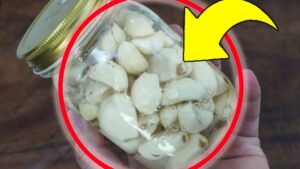
In 2026, the trend toward sustainable food preservation has made the “Olive Oil Preservation” method the gold standard for home cooks. This technique ensures you have fresh, ready-to-use garlic at your fingertips without the risk of cloves sprouting, drying out, or rotting. By submerging garlic in high-quality oil, you create a biological seal that preserves its potent aroma and health-boosting compounds.
The Biological Benefits of Oil Preservation 📝
- Oxidation Prevention: Oil acts as a physical barrier against oxygen, which is the primary cause of garlic cloves turning yellow or losing their flavor.
- Enzyme Stability: Keeping garlic in a stable, cool environment within oil prevents the biological “sprouting” signal triggered by humidity and light.
- Flavor Infusion: Over time, the oil itself becomes a byproduct of the process, absorbing the garlic’s essential oils and creating a fragrant cooking base.
The Step-by-Step Preservation Method 🛠️🏺
- Preparation: Peel a large quantity of garlic cloves. Ensure the cloves are firm and free of any dark spots or bruises.
- The Container: Choose a clean, dry glass jar. It is vital that the jar is completely dry to prevent any bacterial growth.
- The Assembly: Fill the jar with the peeled cloves, leaving about 2 cm of space at the top.
- The Seal: Pour extra virgin olive oil (or a neutral vegetable oil) over the cloves until they are completely submerged.
- Storage: Seal the jar tightly and store it in a cool, dark place or the refrigerator for maximum longevity.
Professional Kitchen Strategy 💡
- Safety First: To ensure long-term safety, it is recommended to keep the jar in the refrigerator to prevent the development of harmful bacteria.
- Ready-to-Use: This method saves significant preparation time during daily cooking, as you no longer need to peel garlic for every meal.
- Dual-Purpose: Use the cloves for roasting or sautéing, and use the garlic-infused oil for salad dressings or drizzling over bread.
Leave a Reply