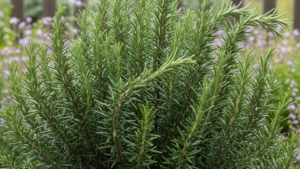
Rosemary (Salvia rosmarinus) is a hardy perennial, but to reach its full culinary potential, it requires specific minerals like calcium, magnesium, and potassium. Instead of using synthetic pellets that can alter the delicate flavor of the herb, “clever management” involves recycling common kitchen leftovers into a specialized organic fertilizer. This not only saves money but also improves the soil structure, allowing the rosemary to thrive for years in the same pot or garden bed.
Why Kitchen Scraps Are Perfect for Rosemary
1. The Calcium Connection (Eggshells)
Rosemary loves slightly alkaline soil. Crushed eggshells are nearly pure calcium carbonate. By adding them to the base of your plant, you balance the soil’s acidity and strengthen the plant’s cell walls, making the needles more aromatic and resilient. 🥚🛡️
2. Potassium for Winter Hardiness (Banana Peels)
Potassium is essential for water regulation within the plant. Using “banana peel tea” (peels soaked in water) provides a potassium boost that helps rosemary survive temperature fluctuations and promotes a more vigorous “bushy” growth habit. 🍌📈
3. Phosphorus for Root Strength (Coffee Grounds)
While coffee grounds are slightly acidic, when used in small, dried amounts, they provide a gentle nitrogen and phosphorus boost. This encourages the deep, strong root system that rosemary needs to withstand dry spells. ☕🌿
How to Apply the Scraps Correctly
Method 1: The “Mineral Crust”
- Ingredients: Dried eggshells.
- Application: Grind the shells into a fine powder and sprinkle them around the base of the plant once a month. Lightly scratch them into the top layer of soil. 🏺
Method 2: The Liquid Tonic
- Ingredients: Banana peels and water.
- Application: Soak a banana peel in 1 liter of water for 48 hours. Use this “tonic” to water your rosemary every two weeks during the spring and summer. 🚿✨
Method 3: The Protective Mulch
- Ingredients: Dried coffee grounds or tea leaves.
- Application: Ensure the grounds are 100% dry to prevent mold. Spread a thin layer (no more than 1 cm) over the soil. This acts as a mulch to retain moisture and slowly releases nutrients.
Pruning for Maximum Yield
To truly maximize your harvest, you must combine this feeding with strategic pruning. Never cut more than one-third of the plant at a time, and always cut just above a leaf node. This “double action” of organic feeding and regular pruning will force the plant to branch out, resulting in a much thicker, more productive shrub. ✂️🌿
Leave a Reply