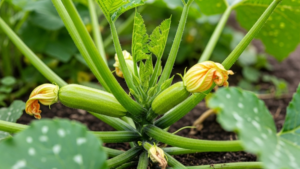
Zucchini are among the most productive vegetables in the garden, but sometimes they produce fewer fruits than expected. With one simple natural trick using just one tablespoon of a common ingredient, you can significantly boost flowering and fruit set, often doubling (or even tripling) your harvest. This method is natural, inexpensive, and loved by many experienced gardeners.
The Secret Ingredient: Wood Ash
Wood ash is rich in potassium and trace elements that zucchini love. Potassium is essential for flower formation and fruit development.
How to apply it:
- Collect clean wood ash (from untreated wood, no charcoal or painted wood).
- Take 1 tablespoon of wood ash per zucchini plant.
- Sprinkle it evenly around the base of the plant, about 10–15 cm from the stem.
- Lightly mix it into the top layer of soil.
- Water thoroughly so the nutrients can reach the roots.
When to do it:
- First application: when the plant starts flowering.
- Second application: 3–4 weeks later, during peak fruiting.
Additional Tips to Maximize Yield
- Pollination boost: Gently shake the plants in the morning or use a soft brush to transfer pollen from male to female flowers.
- Consistent watering: Keep the soil evenly moist — irregular watering causes flowers to drop.
- Mulching: Cover the soil with straw or grass clippings to retain moisture and suppress weeds.
- Feeding: Alternate wood ash with a nitrogen-rich fertilizer early in the season, then switch to potassium-rich feeding.
- Remove old leaves: Cut off yellow or damaged leaves to improve air circulation.
Expected Results
Gardeners who use this method regularly report:
- More female flowers
- Larger and more numerous zucchini
- Longer fruiting period
- Healthier, more resistant plants
Conclusion
With just one tablespoon of wood ash applied at the right time, you can naturally double (or more) your zucchini harvest. It’s a simple, ecological trick that costs almost nothing and gives impressive results. Try it this season — you might end up with so many zucchini that you’ll be sharing them with neighbors!
Note: Do not use wood ash on acid-loving plants (blueberries, azaleas, etc.), as it raises soil pH.
Leave a Reply