Mindblown: a blog about philosophy.
-
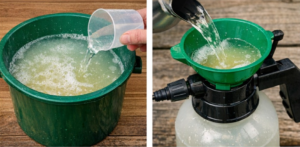
Solution to Fight Against Aphids and Ants More Effective Than Any Chemical Product
In the garden, ants and aphids operate in a partnership: ants “herd” the aphids and protect them from predators like ladybugs in exchange for a sweet substance called honeydew. To save your plants, you must defeat both. This natural remedy uses household ingredients to suffocate aphids and create a scent barrier that turns ants away,…
-
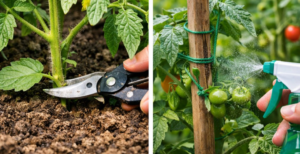
Do You Want to Get a Big Harvest of Tomatoes Take Care of Them Like This in June During the Flowering Period
Success in the tomato garden is won or lost in June. During this stage, the plant is at its most vulnerable to nutrient deficiencies and environmental stress. If the soil dries out too much or if the plant lacks specific micronutrients, the yellow blossoms will simply fall off. To prevent this and guarantee a record-breaking…
-
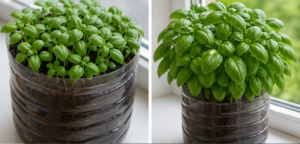
Sow Basil in a Bottle to Get a Rich and Beautiful Bush
Basil is a tropical herb that thrives on heat and consistent moisture. When grown in traditional open pots, the soil can dry out too quickly or the ambient air can be too cool, leading to leggy, weak plants. By using a recycled plastic bottle, you create a “wicking system” that provides constant hydration and a…
-
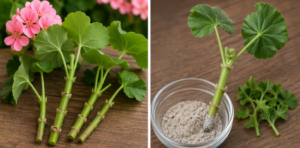
Five Rules for Successful Geranium Cuttings Autumn Geranium Cuttings
Geraniums (Pelargoniums) are the stars of the summer balcony, but they are sensitive to frost. Autumn is the perfect time to take cuttings because the mother plant is still full of energy from the summer sun, but the cooler air triggers the rooting process more effectively than the mid-summer heat. By creating “mini-clones” in September…
-
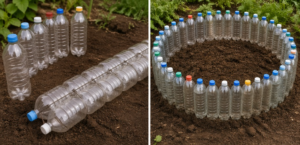
Heated Plots Using Plastic Bottles a Real Chance to Get Early Harvests
The spring sun can be deceiving: while the air feels warm, the soil often remains icy. If you plant too early, the root systems will freeze, growth will stall, and the plants may perish. Using plastic bottles as “heat accumulators” is a free and ecological way to create a “heated floor” effect for your garden,…
-
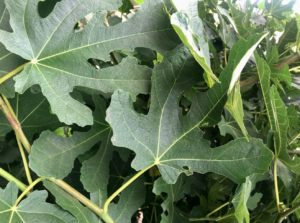
Fig Leaves Are the Most Important Part of the Plant
Fig leaves (Ficus carica) represent a true natural pharmacy, being rich in antioxidants, flavonoids, and fiber. Their greatest advantage is the ability to improve insulin sensitivity, making them an invaluable ally for people monitoring their blood sugar levels. Additionally, the active compounds in the leaves help reduce triglycerides, offering significant support for heart health. Why…
-
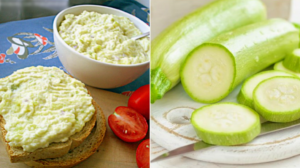
How to Make Zucchini Salad as Good as Eggplant Salad
While eggplant salad is a Mediterranean classic, zucchini offers a lighter, more delicate alternative that is often easier to digest and quicker to prepare. The secret to making it “just as good” lies in the preparation of the zucchini to remove excess water and the addition of a few key ingredients that provide that creamy,…
-
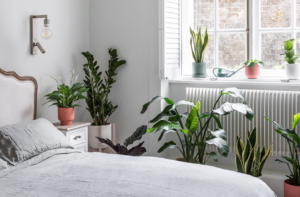
Five Plants You Must Have in Your Bedroom to Purify Air and Improve Sleep Quality
Modern bedrooms often harbor invisible pollutants like formaldehyde from furniture or benzene from cleaning products. These “silent” toxins can lead to headaches, allergies, and poor sleep. NASA research has confirmed that certain plants act as living air filters. By strategically placing these five species in your bedroom, you create a natural oxygen bar that calms…
-
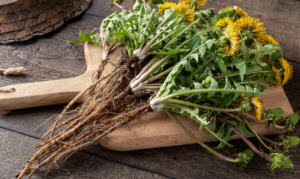
Benefits of Dandelion Root for Cancer Cholesterol and Liver Dosage and Preparation
Dandelion root (Taraxacum officinale) is a concentrated powerhouse of vitamins, minerals, and bitter compounds that act as a biological “reset button” for the human body. While the leaves are excellent for kidneys, the root is specifically targeted toward the liver and the blood. Scientific interest in dandelion root has surged recently due to its potential…
-
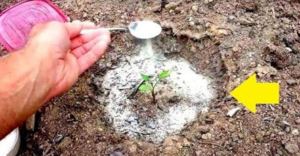
Baking Soda is a Treasure for Anyone’s Garden Use It Once for the Whole Season
Baking soda (sodium bicarbonate) is more than just a kitchen staple; it is a powerful, non-toxic ally in organic gardening. Its unique chemical properties allow it to act as a natural fungicide, a pH regulator, and a pest repellent—all without leaving harmful residues in your soil or on your vegetables. For many gardeners, a single…
Got any book recommendations?