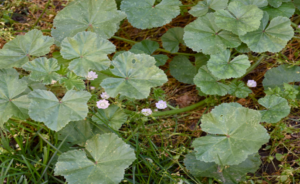
In 2026, as the cost of organic superfoods continues to rise, many people are looking right past a nutritional goldmine growing in the cracks of their driveways and the corners of their flower beds. 🏗️ Purslane (Portulaca oleracea) is often cursed by gardeners as a persistent weed, but it is actually one of the most nutrient-dense plants on the planet. While most people spend a fortune on supplements, this succulent “weed” offers a biological cocktail of healthy fats and vitamins for free. 🥗✨🌱
The Omega-3 Champion of the Plant World 📝
The most extraordinary feature of purslane is its fatty acid profile. In a world where heart health is a top priority, purslane stands out as a unique plant-based source of essential nutrients:
- Record-Breaking Omega-3s: Purslane contains more alpha-linolenic acid (an essential Omega-3 fatty acid) than any other leafy green vegetable. It even competes with some fish oils in terms of its ability to support cardiovascular health and reduce inflammation. 🐟📈
- Heart Protection: These healthy fats help lower “bad” LDL cholesterol and prevent the buildup of plaque in the arteries, acting as a natural shield for your heart. 🛡️❤️
- Brain Fuel: Omega-3s are vital for cognitive function and emotional stability, making this “weed” a legitimate brain food found right in your backyard. 🧠✨
A Biological Shield of Antioxidants 🧪
Purslane is not just about healthy fats; it is a concentrated source of the vitamins your immune system craves:
- The “ACE” Complex: It is packed with Vitamins A, C, and E, which work together to neutralize free radicals and prevent premature cellular aging. 🧪✨
- Melatonin and Glutathione: It contains surprisingly high levels of melatonin (the sleep-regulating hormone) and glutathione, a powerful antioxidant that helps the liver detoxify the blood. 🌑🧼
- Mineral Rich: It provides a significant boost of magnesium, calcium, potassium, and iron, all of which are essential for bone density and muscle function. 💪🧱
How to Safely Identify and Harvest Purslane 💡
Before you start foraging, you must be sure you have the right plant. Purslane has very distinct characteristics:
- The Look: It is a succulent with thick, fleshy, reddish stems and paddle-shaped green leaves. It grows prostrate, meaning it spreads along the ground like a carpet. 🌿📏
- The Sap Test: If you break a purslane stem, the sap should be clear. 💧
- The Warning (The Look-Alike): Beware of a plant called Spurge (Euphorbia). Spurge looks similar but is poisonous. The key difference: if you break a Spurge stem, it will leak a milky, white sap. If it’s milky, do not eat it! 🚫🥛
- Harvesting Tip: Always pick purslane from clean areas that have not been sprayed with pesticides or herbicides. 🚿🛡️
Culinary Uses: From Garden to Table 🥗🍳
Purslane has a refreshing, slightly crunchy texture and a tangy, lemony, slightly salty flavor.
- Raw in Salads: Simply wash the stems and leaves and toss them into a salad. It adds a wonderful “pop” of flavor that replaces the need for extra salt or lemon juice. 🥗🍋
- Smoothie Boost: Add a handful of purslane to your morning green smoothie for a massive Omega-3 kick without changing the texture significantly. 🌪️✨
- Sautéed Delicacy: You can stir-fry purslane with garlic and olive oil, similar to spinach. It also works as a natural thickening agent for soups and stews due to its slightly mucilaginous quality. 🍳🥘
Why This is the 2026 Foraging Essential 🌍
Purslane is a testament to the fact that nature often provides exactly what we need, right where we live. By stopping the war on “weeds” and embracing the power of purslane, you can improve your health, reduce your grocery bill, and connect with the wild abundance of the earth. 🏡🌸✨
Leave a Reply