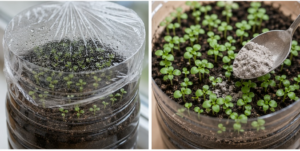
Basil is a sun-loving herb that can be quite finicky when it comes to moisture and temperature. Growing it in a recycled plastic bottle solves two problems at once: it provides a controlled environment that retains heat and humidity, and it allows for a “self-watering” setup that ensures the delicate roots never dry out. This method results in a compact, highly aromatic plant with large, vibrant leaves ready for your favorite recipes.
Why the Bottle Method is Superior for Basil
1. Controlled Greenhouse Environment
By using a transparent bottle, you create a micro-climate. The plastic walls trap heat and moisture, which mimics the tropical conditions basil loves. This leads to faster germination and stronger stems. 🌡️🌱
2. Space-Saving Vertical Growth
This method allows you to grow basil on a narrow windowsill or even hang it. It is the ultimate solution for apartment dwellers who want a kitchen garden without the mess of large, heavy pots.
3. Protection from Pests and Draughts
Young basil seedlings are often targeted by pests or stunted by cold breezes. The bottle acts as a physical shield, protecting the tender “infant” plants until they are strong enough to thrive on their own. 🛡️✨
How to Grow Basil in a Bottle
Materials Needed:
- A 2-liter Plastic Bottle (clean and clear).
- Fertile Potting Soil.
- Basil Seeds.
- A piece of cotton string or wick (for the self-watering version).
Instructions:
- The Cut: Cut the plastic bottle in half. The top part (with the cap) will hold the plant, and the bottom part will hold the water.
- The Wick: Make a small hole in the bottle cap. Thread the cotton string through the hole, ensuring it is long enough to reach both the soil and the water reservoir below. 🧵
- The Soil: Fill the top half of the bottle with soil. Place 3–4 basil seeds about 1 cm deep and cover them lightly.
- The Assembly: Place the top half upside down into the bottom half. Fill the bottom with water so the wick is submerged. 🏺💧
- The Sunlight: Place your bottle garden in the sunniest window you have. Basil needs at least 6 hours of light to develop its essential oils.
Pro Tip for a “Bushy” Plant
Once your basil has three sets of leaves, snip off the very top set. This is called “pinching.” It forces the plant to stop growing tall and start growing two new branches from the sides, resulting in a much fuller, richer bush. ✂️🌿
Leave a Reply