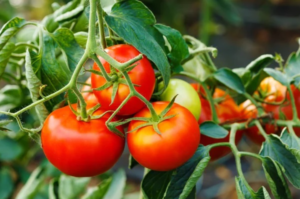
The ideal fertilizers for tomatoes: the secret of a rich and healthy harvest. 🍅
Tomatoes are one of the most beloved vegetables in gardens, but to obtain a bountiful harvest of large, tasty, and healthy fruits, proper fertilization is essential. Choosing the right fertilizers and applying them at the right time can make the difference between a mediocre harvest and an abundant one. Here is everything you need to know. 🌱
The Most Important Nutrients for Tomatoes
Tomatoes are heavy feeders and need a balanced supply of the three main nutrients:
- Nitrogen (N): Promotes leaf and stem growth (use in moderation — too much nitrogen produces many leaves but few fruits).
- Phosphorus (P): Essential for root development and abundant flowering.
- Potassium (K): Improves fruit quality, taste, color, and resistance to diseases.
The Best Fertilizers for Tomatoes
1. Organic Fertilizers (Recommended)
- Well-rotted manure or compost: The best base fertilizer. Rich in all nutrients and improves soil structure.
- Wood ash: Excellent source of potassium and calcium. Sprinkle lightly around the plants (1-2 tablespoons per plant).
- Banana peel tea: Very rich in potassium. Soak banana peels in water for a few days and use the liquid to water the plants.
- Eggshells: Provide calcium and prevent blossom end rot. Crush and mix into the soil. 🥚
- Nettle maceration: A powerful natural nitrogen fertilizer. Excellent in the early growth stages.
2. Mineral Fertilizers
- Balanced NPK fertilizers (for example 10-10-10 or 15-15-15) in the first phase.
- Fertilizers richer in potassium and phosphorus (for example 5-10-15) once flowering begins.
Fertilization Schedule
- At planting: Add compost and a handful of wood ash + crushed eggshells in the planting hole.
- First 3-4 weeks: Use a nitrogen-rich fertilizer to stimulate growth.
- From flowering onwards: Switch to fertilizers richer in potassium and phosphorus to support fruit development.
- During fruiting: Apply liquid fertilizers (compost tea, banana peel tea) every 10-15 days.
Practical Tips for Success
- Always water the plants before and after applying fertilizer.
- Avoid over-fertilizing — it is better to apply smaller amounts more frequently.
- Mulch the soil around the plants to retain moisture and gradually release nutrients.
- Observe the plants: yellow leaves may indicate nitrogen deficiency, while poor fruit set may indicate lack of potassium.
Conclusion
With the right fertilizers applied at the right time, you can obtain a rich, healthy, and tasty tomato harvest. The secret lies in balance and the use of natural, organic products as much as possible.
Try these recommendations in your garden and enjoy abundant tomatoes all season long! 🍅✨
Leave a Reply