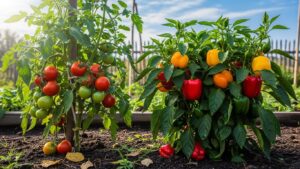
The secret power of banana peels: a natural fertilizer for strong and healthy plants. 🌱
Many gardeners have discovered that common kitchen waste, often considered garbage, can be valuable allies for plant nutrition. Eggshells, pomegranate peels, onion skins, and garlic peels have all been used successfully as organic fertilizers. But one of the most effective and yet least known natural fertilizers is banana peel. Today, we will explore the benefits of banana peels for plant growth and learn how to use them effectively to promote the growth of your seedlings and garden plants. 🍌
Why Banana Peels Are a Game-Changer in Gardening
Banana peels are not just waste; they are a rich source of essential nutrients that nourish plants, improve soil quality, and promote overall health. They contain:
- Potassium (K) – A crucial element that helps plants develop strong roots, resist diseases, and produce more flowers and fruits.
- Magnesium (Mg) – Plays a role in photosynthesis, helping plants absorb sunlight efficiently.
- Manganese (Mn) – Stimulates enzymatic activity, improving the plant’s overall metabolism.
- Calcium (Ca) – Essential for cell wall development, helping prevent problems like blossom end rot in tomatoes and peppers.
- Phosphorus (P) – Contributes to root formation and flower production, ensuring healthier and more productive plants.
- Nitrogen (N) – Vital for leaf and stem growth, making plants greener and more vibrant.
- Iron (Fe) – Prevents yellowing of leaves and improves chlorophyll production.
When banana peels decompose, their nutrients are released gradually into the soil, providing slow and steady nutrition to plants. They are therefore an ecological, economical, and sustainable fertilizer. ♻️
How to Use Banana Peels as Fertilizer
Using banana peels as fertilizer is simple and can be done in several ways. Here are the best methods to incorporate banana peels into your gardening practices.
1. Banana Peel Powder for Seedlings
This is an excellent way to give young plants a strong start.
How to prepare and use it:
- Take fresh banana peels and let them dry naturally in the sun, on a radiator, or in an oven at low temperature (below 100°C or 212°F).
- Once completely dry, grind them into a fine powder using a coffee grinder or blender.
Mix a small amount of banana peel powder into the soil when transplanting young seedlings to provide them with essential nutrients.
Result: The slow release of nutrients helps young plants develop strong roots, healthier leaves, and faster growth. 🌱
2. Direct Burial for Long-Lasting Effects
A simple and very effective method is to bury banana peels directly in the soil.
How to do it:
- Cut fresh banana peels into small pieces.
- Dig a small hole near the base of the plant (but not too close to the stem).
- Place the pieces in the hole and cover them with soil.
- Water the area to promote the decomposition process.
Result: Over time, the banana peels decompose, enriching the soil with nutrients and attracting earthworms, which aerate the soil and improve plant growth. 🪱
3. Banana Peel Tea for Quick Nutrition
This method is ideal for providing plants with immediate nutrient supply.
How to prepare banana peel tea:
- Take 2 or 3 banana peels and cut them into small pieces.
- Place them in a container with 1 liter (4 cups) of water.
- Let the peels soak for 24 to 48 hours.
- Remove the peels and use the nutrient-rich water to water the plants at their base.
Result: This fast-release fertilizer instantly provides potassium and phosphorus, helping plants grow faster and healthier. 💧
4. Banana Peel Compost for General Use
If you have a compost bin, banana peels make an excellent addition.
How to compost banana peels:
- Chop the banana peels into small pieces to speed up decomposition.
- Mix them into your compost with other organic waste (leaves, coffee grounds, grass clippings, etc.).
- Turn the compost occasionally to aerate it.
- Once fully decomposed, use the compost to enrich garden soil or potting mix.
Result: This method improves soil structure, retains moisture, and increases microbial activity, resulting in healthier and more productive plants. 🌿
Which Plants Benefit the Most from Banana Peel Fertilizer?
Banana peels can be used for almost all plants, but they are particularly beneficial for:
- Tomatoes – Stimulates flower production and prevents blossom end rot.
- Peppers – Improves fruit size and strengthens disease resistance.
- Roses – Promotes abundant flowering and healthier foliage.
- Strawberries – Improves sweetness and overall fruit quality.
- Cucumbers – Encourages greater production per plant.
- Houseplants – Provides essential minerals for lush and green growth.
Conclusion: A Simple Trick for Optimal Plant Growth
Banana peels are a true natural treasure for any gardener. Whether you use them as powder, buried directly, as tea, or in compost, they offer a free, ecological, and highly effective way to nourish your plants.
Next time you eat a banana, don’t throw away the peel — turn it into powerful fertilizer and watch your plants become stronger, healthier, and more productive! 🍌✨
Leave a Reply