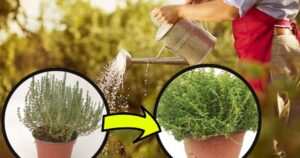
One of the most popular aromatic plants is thyme. It seems like it can grow in almost any conditions. However, many beginner gardeners complain that this plant dies if not properly cared for. Growing thyme in a pot isn’t as easy as it seems, and it’s worth knowing why potted thyme often tends to dry out.
Thyme is one of the plants that best resists sun and heat on a balcony or terrace. But its cultivation is not as simple as it appears. Many beginners choose thyme thinking it can grow anywhere, when in reality it’s a rather demanding plant. Here are some tips to prevent your thyme from drying out.
The main mistake: watering
Thyme grows in Mediterranean regions where the soil does not retain much moisture. This is one of the biggest problems when we bring it home: we often use universal potting soil that holds too much water, and the thyme dies from excess moisture.
The solution: Mix the substrate with sand. Use one part potting soil and one part sand, mix well, then plant the thyme. This creates the ideal conditions for healthy growth.
Thyme drying out: Are you watering it too much?
The main reason thyme dries out is excess water — either from overwatering or water accumulating in the soil. Like many Mediterranean plants, thyme needs plenty of water, but only occasionally. Think of a Mediterranean summer: long weeks without rain, interrupted by occasional heavy storms.
Ideal watering: Water thyme abundantly once a week. Make sure the pot drains well — no water should remain in the container or saucer.
Which pot and where to place it?
Thyme has long roots that seek water deep in the soil. Therefore, when planting in a pot, avoid small containers. Use pots that are at least 30 cm tall. It can be planted together with other aromatic plants like rosemary or santolina.
Thyme loves sun and heat and will not thrive (or may even die) in the shade. However, when you first transplant it into a new pot, place it in partial shade for at least one day so it can adapt.
Leave a Reply