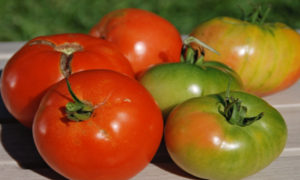
In 2026, the secret to a professional-grade organic garden isn’t found in a chemical bottle, but in the biological relationships between plants. 🍅 Companion planting is the art of placing specific species together to enhance growth, repel pests, and even improve flavor. If you want your tomatoes to be larger, sweeter, and free of diseases, you need to surround them with a “supporting cast” that works as hard as you do. Here is the definitive guide to the best neighbors for your tomato plants. 📈✨🌿
The “Flavor Booster”: Basil 📝
The partnership between tomatoes and basil is legendary, and for good reason.
- The Biological Synergy: Basil produces essential oils that mask the scent of the tomato plant, making it harder for pests like aphids, whiteflies, and spider mites to find their target. 🛡️🦟
- Flavor Enhancement: Many gardeners swear that planting basil directly at the base of tomato plants results in sweeter, more aromatic fruit. This is due to the chemical signals exchanged through the soil. 🌿🍯
- Space Efficiency: Basil stays low to the ground while tomatoes grow upward, creating a perfect vertical ecosystem. 📏✨
The “Underground Bodyguard”: Marigolds 🧪
If you could only pick one companion, let it be the Marigold (Tagetes).
- Nematode Defense: Marigold roots release a chemical called alpha-terthienyl, which is toxic to root-knot nematodes—microscopic worms that can destroy a tomato crop from below. 🛡️🦠
- Visual Decoy: The bright blooms attract beneficial insects like hoverflies and ladybugs, which act as natural “mercenaries” to eat tomato-destroying pests. 🐞⚔️
- Trap Cropping: Marigolds are more attractive to slugs and snails than tomatoes are, drawing them away from your precious fruit. 🐌🚫
The “Soil Aerators”: Carrots 🥕
Tomatoes and carrots are the ultimate “odd couple” that benefits the soil structure.
- Tilling the Earth: As carrot roots push deep into the soil, they naturally aerate the earth, allowing more oxygen and water to reach the deeper roots of the tomato plant. 🌬️💧
- Shared Nutrition: Carrots don’t compete for the same space; the tomato takes the top, and the carrot takes the bottom. 📈⚓
The “Antifungal Shield”: Garlic and Onions 🧄
Tomatoes are highly susceptible to fungal infections and blights.
- Natural Fungicide: Garlic and onions release sulfur into the soil, which acts as a natural fungicide. This helps prevent soil-borne diseases that cause tomato leaves to turn yellow or black. 🛡️🍄
- Red Spider Mite Repellent: The strong scent of alliums is a powerful deterrent for red spider mites, which can decimate a tomato vine in days. 🕷️🚫
What to NEVER Plant Near Tomatoes 🔍🚫
Just as there are good neighbors, there are some plants that will start a “war” in your garden:
- Potatoes: Both are part of the nightshade family and share the same diseases. Planting them together is an invitation for Early and Late Blight to wipe out both crops. 🥔❌
- Fennel: Fennel is “allelopathic,” meaning it releases chemicals into the soil that actively inhibit the growth of almost all other vegetables, especially tomatoes. 📉🚫
- Walnut Trees: Black walnuts produce a chemical called juglone, which causes “walnut wilt” in tomatoes, killing the plant almost overnight. 🌳⚡
Leave a Reply