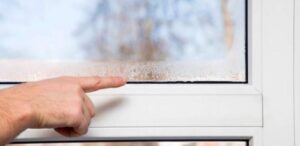
Condensation on windows is a fairly common occurrence. But did you know that this seemingly harmless phenomenon found in many homes can lead to the growth of harmful mold?
Condensation on windows is a phenomenon that occurs especially in the winter months, but you can experience it at any time of the year.
Condensation occurs when moist air in your home comes into contact with a surface that is cooler than the air temperature.
Foggy windows are not only aesthetically damaging, but also health-wise. Not only does the paint peel off (in the case of wooden windows), but it also leads to mold growth.
That’s why, in this article, I’ve prepared some tips that will help you deal with this problem.
How do we prevent condensation on windows?
If you want to prevent condensation on your windows, you have two options. The ideal option is to work with a combination of both at the same time.
First of all, it is necessary to keep all the windows in the house in order – regardless of the material they are made of. High-quality windows must meet all the parameters. This is especially true for the thermal insulation function.
In older windows, condensation problems occur when the window frames or insulating glass are damaged. Therefore, it is better to use modern double and triple glazing.
Regular ventilation is a must
Do you want to reduce the amount of condensation on your windows? Then you should get into the habit of regularly ventilating your room. Even if you don’t feel like ventilating your room on cold days, know that it will definitely help you deal with the humidity.
Just ventilate the room twice a day by opening the window for 10-20 minutes. You can also ventilate the room during activities that cause humidity to increase in the house. For example, showering, drying clothes, cooking, ironing.
Maintaining the same temperature in the house
Maintaining a constant (stable) room temperature will also help reduce condensation on windows. Rapid heating and cooling is harmful to you and your home. A stable temperature ensures that surfaces do not cool down enough for water to condense on them.
Steam is your main enemy
Steam irons are essential items that should be in every home, but with other steam sources, things aren’t so rosy.
Condensation occurs when water vapor in the air comes into contact with cold surfaces. This happens when you’re cooking, so it’s a good idea to always cover the pot with a lid and turn on the fan. Alternatively, open the windows while you’re cooking.
Also, if you have a window in your bathroom, open it after every shower or bath. This is necessary so that warm, humid air can escape from the room.
Alternatively, use a fan – leave it on for a while after you get out of the bathroom. If the windows are still wet, then don’t let the water stay on it, wipe it off.
How good is your insulation?
If windows that are damp with condensation are a long-term problem for you, then it’s time to think about improving your thermal insulation.
Not only will your windows not dry out as quickly, but you will save money on energy bills and take the strain off your household budget.
If you have older windows, consider investing in better double or triple-paned windows.
Do you know what anti-condensation paint is?
Anti-condensation paint is thicker than regular paint and is designed to allow walls to absorb moisture from the inside. This prevents mold and condensation from forming on windows.
These paints are suitable for high humidity areas such as kitchens and bathrooms. Dry your clothes in the dryer or outside.
Drying laundry indoors is one of the biggest causes of condensation on windows. Ideally, dry your laundry outside or in a dryer.
If you have no other option but to dry things at home, then at least consider opening a window and investing in a dehumidifier.
Leave a Reply