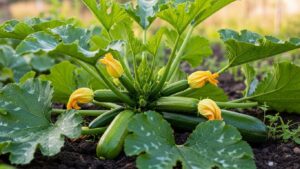
Zucchinis (Cucurbita pepo) are known for their vigorous growth and generous production, but many gardeners struggle with soil-borne diseases, pests, and slow starts in the spring. 🥒 The solution that is taking the gardening world by storm is planting zucchinis directly into bags of potting soil. This method isn’t just a space-saver for small gardens; it actually provides a biological advantage that leads to a much heavier harvest in a shorter amount of time. 🏗️📈
The Science Behind the Success: Why Bags Work Better 📝
There are several technical reasons why a zucchini plant in a bag often outperforms one planted in a traditional garden bed:
- The Thermal Advantage: Zucchinis are tropical plants that require warm soil to thrive. Traditional ground soil stays cold late into the spring. Because the soil in a bag is elevated and surrounded by plastic (which acts like a mini-greenhouse), it absorbs the sun’s heat from all sides. Warm roots mean a faster metabolism and earlier flowering. ☀️🌡️
- Superior Drainage and Aeration: One of the biggest enemies of zucchinis is root rot or “damping off.” Potting bags are filled with light, professional-grade peat or coco-coir mixes that never become compacted. This ensures that the roots have constant access to oxygen, which is vital for the plant to convert nutrients into fruit. 🌬️🚿
- The “Clean Slate” Effect: When you plant in a bag, you are using sterilized soil. This means there are no weed seeds to compete for water and, more importantly, no soil-borne pathogens like Fusarium wilt or nematodes that might be lurking in your garden soil from previous years. 🛡️✨
- Pest Isolation: Slugs, snails, and cutworms—the primary predators of young zucchini seedlings—find it much harder to climb the vertical, slippery sides of a plastic bag than to crawl across a flat garden bed. 🐌🚫
How to Implement the Bag-Growing Method 🛠️
To maximize your yield, you must follow these specific steps to ensure the plant has enough room to expand:
- Selecting the Bag: Use a large 40–50 liter bag of high-quality vegetable potting soil. Shake the bag vigorously before opening to “fluff up” the compressed soil inside. 🏺
- The Drainage Holes: This is the most critical step. Flip the bag over and poke 10–15 small holes in the bottom with a screwdriver. Without these, the bag will turn into a swamp, and your plant will die. 🛠️💧
- The Planting “X”: Turn the bag back over and cut a large “X” in the center. Pull back the plastic flaps and dig a small hole. Plant one healthy zucchini seedling (or 2–3 seeds) in the center. 🌿🌱
- The Watering Secret: Because bags have a smaller volume than the ground, they dry out faster. You must water your bag zucchinis every single day during the peak of summer. 🚿
- Strategic Feeding: After the first month, the nutrients in the potting soil will be exhausted. Begin feeding the plant with a liquid fertilizer high in Potassium every 10 days once you see the first yellow blossoms. 🧪🌸
Why Beginners Love This Method 💡
- No Digging Required: You can place these bags on a balcony, a concrete patio, or even right on top of poor, rocky soil. It is the ultimate “no-dig” gardening solution. 🏗️🏠
- Mobility: If you realize your zucchini isn’t getting enough sun, or if a hail storm is coming, you can simply pick up the bag and move it to a safer location. 🏃💨
- Massive Harvest in Small Space: Because the plant doesn’t have to fight for nutrients in a wide area, it focuses all its energy on the vertical growth of the fruit. You can easily get 20–30 zucchinis from a single bag! 🥒✨
Leave a Reply