We have all been there. You flush the toilet, and instead of the water going down, it starts to rise. Panic sets in immediately. The first instinct is usually to grab the phone and call an emergency plumber, but we all know how expensive that can be.
Before you spend your hard-earned money, take a deep breath. Most common clogs can be solved with a simple, DIY trick using ingredients you already have in your kitchen.
Forget expensive chemicals and professional tools. Sometimes, a simple “handful” of the right ingredient is enough to save the day. Here is how to unclog your toilet like a pro without spending a dime.
Why Does It Happen? (And How to Stay Calm)
First, don’t panic. Stressing out won’t lower the water level. A clogged toilet usually happens for two reasons:
- Too much paper: Using an excessive amount of toilet paper in a single flush.
- The “Trash Can” Syndrome: Flushing things that should never go down the drain, like wet wipes, cotton pads, diapers, or hygiene products.
If the water is draining very slowly or has stopped completely, you have a clog. If the water flows but waste doesn’t leave, it might be a pressure issue. If it’s a clog, try these methods before calling for help.
The “Grandma’s Remedy”: Coarse Salt & Baking Soda
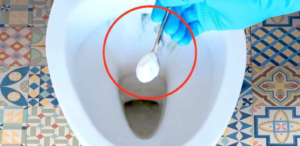
This is the star method. It is eco-friendly, cheap, and surprisingly effective for organic clogs (like paper).
What you need:
- 1/2 cup of Coarse Salt
- 1/2 cup of Baking Soda
- A pot of Boiling Water
The Method:
- Mix the Powders: Combine the coarse salt and baking soda in a cup.
- Pour it Down: Dump the mixture directly into the toilet bowl. The salt acts as an abrasive agent, scouring the pipes, while the baking soda helps break down organic matter.
- Wait: Let it sit for about 15 to 20 minutes. Patience is key here.
- ** The Hot Finish:** Pour a pot of boiling water into the bowl (pour from waist height to add a little pressure). The chemical reaction combined with the heat often dissolves the clog instantly.
The “Slippery” Solution: Dish Soap
If you don’t have baking soda handy, check your kitchen sink. Dish soap is designed to break down grease and fats, but it is also an excellent lubricant for pipes.
The Method:
- Pour a generous amount (about half a cup) of dish soap into the toilet.
- Let it sink to the bottom and sit for 30 minutes.
- Pour a bucket of hot (not boiling) water into the bowl.
- The soap makes the pipe slippery and helps break down the structure of the clog, allowing everything to slide down easily.
The Classic: Using the Plunger Correctly
If the natural remedies need a little help, grab the plunger. However, many people use it wrong.
- The Seal: Ensure the rubber cup is completely submerged in water. If the bowl is empty, add water.
- The Vacuum: The goal isn’t just to push; it’s to create a vacuum. Push down gently to remove air, then pull up sharply. It is the suction that often dislodges the blockage, not just the pushing.
A Final Warning: Prevention is Key
Once you have successfully unclogged your toilet, make a promise to yourself: The toilet is not a trash can.
To avoid facing this nightmare again:
- Only flush the “Three Ps”: Pee, Poop, and Paper.
- Get a bin: Place a small trash can in the bathroom for everything else (wipes, cotton, hygiene products).
- Moderation: If you need to use a lot of paper, flush twice rather than risking one giant flush.
By following these simple steps, you can save your plumbing—and your wallet!
Leave a Reply