Managing a household is no small feat. It requires organization, energy, and a set of proven skills to keep everything running smoothly. Whether you are a cleaning pro or a novice homemaker, having a few clever life hacks up your sleeve can turn hours of scrubbing into a quick, effortless task.
Forget expensive chemicals; sometimes the most effective solutions are already in your pantry. Here are 7 simple yet brilliant household tips to help you clean the kitchen, refresh your laundry, and restore old items in seconds.
1. Polish Cutlery with Lemon or Potato Water
Even high-quality silverware fades over time, and finding rust spots on your favorite forks is never pleasant. Before you rush to buy a new set, try upgrading your old one naturally.
- The Lemon Trick: Cut a lemon in half and rub the citrus directly onto spoons or forks that have lost their shine. Let the juice sit for a moment, then rinse with warm water and polish with a soft cloth. The rust will vanish, and the shine will return.
- The Potato Method: For silverware that is just a bit dull, don’t pour the water down the drain after boiling potatoes. The starch in the water is a great cleaner. Soak your cutlery in the hot potato broth for 30 minutes, then rinse and dry.
2. Deodorize Plastic Containers with Mustard or Coffee
Plastic food containers have one major flaw: they absorb odors. Instead of throwing away a container that smells like last week’s curry, try these absorbents.
- Mustard Powder: Pour a few spoons of mustard powder into the container, add warm water, and shake well. Wash with detergent afterwards.
- Coffee Grounds: Coffee is a powerful odor neutralizer. Place dry coffee grounds in the container, seal it, and leave it for 24 hours. Alternatively, rub wet grounds inside and freeze the container overnight. The bad smells will disappear.
3. Clean Pot Lids with Hydrogen Peroxide
The hardest place to clean in the kitchen is often the thin rim of a glass pot lid. Grease and gunk accumulate in that crevice where a sponge can’t reach.
- The Fix: Pour hydrogen peroxide into the rim of the upturned lid. Wait 5–10 minutes for the antiseptic reaction to “eat away” the grease, then rinse.
- For Tough Grime: Make a thick paste using one tablespoon of peroxide and two tablespoons of baking soda. Apply it to the rim, let it sit for 15 minutes, and scrub with an old toothbrush.
4. Use Foil as a Scrubber
We usually use aluminum foil for cooking, but it has a hidden talent. If you run out of steel wool or metal scourers, simply ball up a piece of aluminum foil. It works just as well as a metal sponge for scrubbing off soot, burnt food, and grease.
- Caution: Do not use this method on non-stick (Teflon) pans, as the foil will scratch the coating.
5. Scrub Acrylic Bathtubs with Grapefruit
Acrylic bathtubs are popular because they are lightweight and warm, but they scratch easily if you use abrasive chemical cleaners.
- The Natural Solution: Cut a grapefruit in half and sprinkle sugar onto the cut side. Use the fruit as a sponge to scrub the tub’s walls and floor. The sugar acts as a gentle abrasive, while the citric acid breaks down dirt. Plus, it leaves your bathroom smelling fresh and citrusy.
6. Fix Minor Pan Scratches with Milk
Over time, pans develop small scratches from metal utensils or aggressive cleaning. While deep damage can’t be fixed, minor surface scratches can be smoothed over.
- The Hack: Pour milk into the pan and bring it to a boil. The proteins in the milk bond to the surface, forming a film that fills in micro-scratches and makes them less noticeable.
7. The Secret Ingredient for Towels: Vinegar
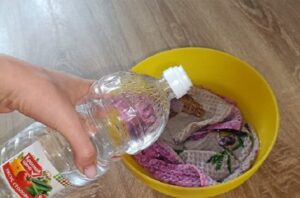
Kitchen towels take a beating. They absorb grease, food spills, and moisture, which often leads to stubborn stains and a lingering, musty smell that regular detergent can’t remove. Instead of throwing them out, use vinegar.
- How to do it: Soak dirty towels in a solution of water and vinegar for 20–30 minutes before putting them in the washing machine.
- Why it works: The acid in the vinegar breaks down the grease and kills the bacteria causing the bad odor. As a bonus, it acts as a natural fabric softener, leaving your towels fluffy and fresh.
Leave a Reply