Category: Uncategorized
-
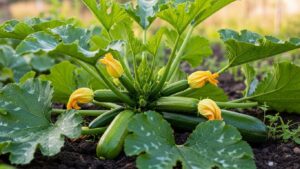
Why Planting Zucchinis in Soil Bags Yields So Many Fruits Here is the Answer
Zucchinis (Cucurbita pepo) are known for their vigorous growth and generous production, but many gardeners struggle with soil-borne diseases, pests, and slow starts in the spring. 🥒 The solution that is taking the gardening world by storm is planting zucchinis directly into bags of potting soil. This method isn’t just a space-saver for small gardens;…
-
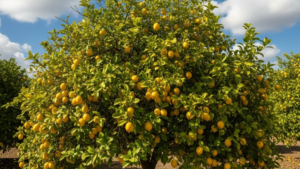
Keep Your Lemon Tree Covered in Flowers and Fruits with This Homemade Fertilizer
A lemon tree in full bloom is a joy for the senses, but citrus plants are “hungry” feeders that require a specific balance of nutrients to sustain both fragrant flowers and heavy fruit. 🌳 This article reveals a simple, cost-effective homemade fertilizer recipe that provides the essential Nitrogen, Phosphorus, and Potassium (N-P-K) along with vital…
-
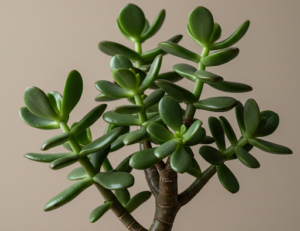
Never Buy a Jade Plant Again Look at This 🌿✨
The Jade Plant (Crassula ovata) is famous for its longevity and its association with good luck and prosperity. 💰 However, the plant’s greatest secret is its incredible regenerative power. Almost any part of the plant—from a large branch to a tiny leaf—can grow a new root system. 🌳 Two Most Effective Propagation Methods 🛠️ 1.…
-
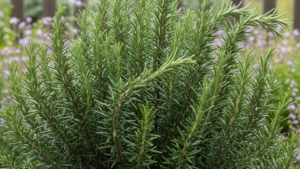
Maximize Rosemary Yield Through Clever Management of Kitchen Scraps
Rosemary (Salvia rosmarinus) is a hardy perennial, but to reach its full culinary potential, it requires specific minerals like calcium, magnesium, and potassium. Instead of using synthetic pellets that can alter the delicate flavor of the herb, “clever management” involves recycling common kitchen leftovers into a specialized organic fertilizer. This not only saves money but…
-
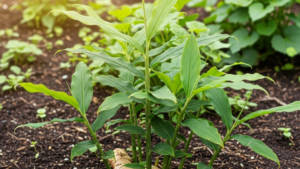
From Kitchen Scraps to Abundant Harvest Cultivating Ginger Easily and Sustainably at Home
Ginger is a tropical forest plant, meaning it doesn’t need a sprawling garden or intense direct sunlight to thrive. It is the perfect candidate for “indoor homesteading.” By understanding the plant’s natural rhythm—dormancy, sprouting, and horizontal expansion—you can produce high-quality ginger that is far more aromatic and juicy than the dried-out versions often found in…
-
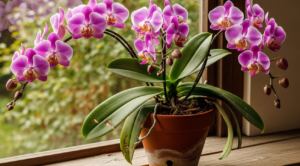
A Simple and Effective Tip to Revive and Promote the Flowering of Orchids
When an orchid stops blooming, it is often because the potting medium (the bark) has been depleted of essential minerals. Instead of using harsh chemical fertilizers that can burn delicate orchid roots, many expert growers turn to Rice Water. This “white elixir” is rich in vitamin B, nitrogen, phosphorus, and potassium—the primary building blocks for…
-
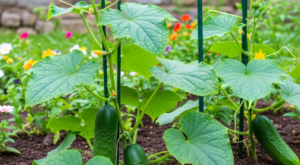
How to Harvest Cucumbers from Seed to Harvest in Record Time
Cucumbers are heat-loving plants that thrive on consistency. The “secret” to a record harvest isn’t just luck; it’s about eliminating the “stalling” periods that occur when the plant is too cold or thirsty. By using the “thermal start” method and focusing on high-nutrient liquid feeding, you can force the plant into a rapid growth cycle…
-
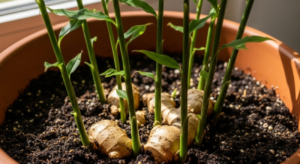
How to Grow Ginger Without Any Prior Gardening Experience
Ginger (Zingiber officinale) doesn’t grow from traditional seeds but from its rhizome (the root part we eat). Because the ginger you buy at the store is often treated with a growth inhibitor to keep it from sprouting on the shelf, the “secret” to success lies in the preparation phase. Once you “wake up” the root,…
-

Dandelion Syrup a Delicacy That Cleanses the Blood and Removes Liver Fatigue
Dandelions (Taraxacum officinale) are frequently dismissed as mere garden weeds, but in herbal medicine, they are considered one of the most effective natural cleansers. The syrup made from their blossoms is packed with antioxidants and minerals. It acts as a gentle diuretic and cholagogue, meaning it helps the liver and gallbladder flush out toxins, improving…
-
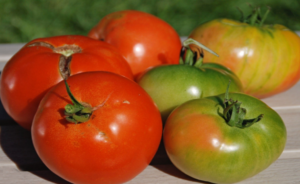
What Must Be Planted Near Tomatoes for a Rich and Tasty Harvest
In nature, plants rarely grow in isolation. Tomatoes, in particular, are “social” plants that thrive when surrounded by specific allies. Companion planting works by creating a miniature ecosystem: some plants mask the scent of tomatoes from hungry insects, while others improve the soil’s nutrient profile or attract beneficial pollinators. By following these pairings, you can…